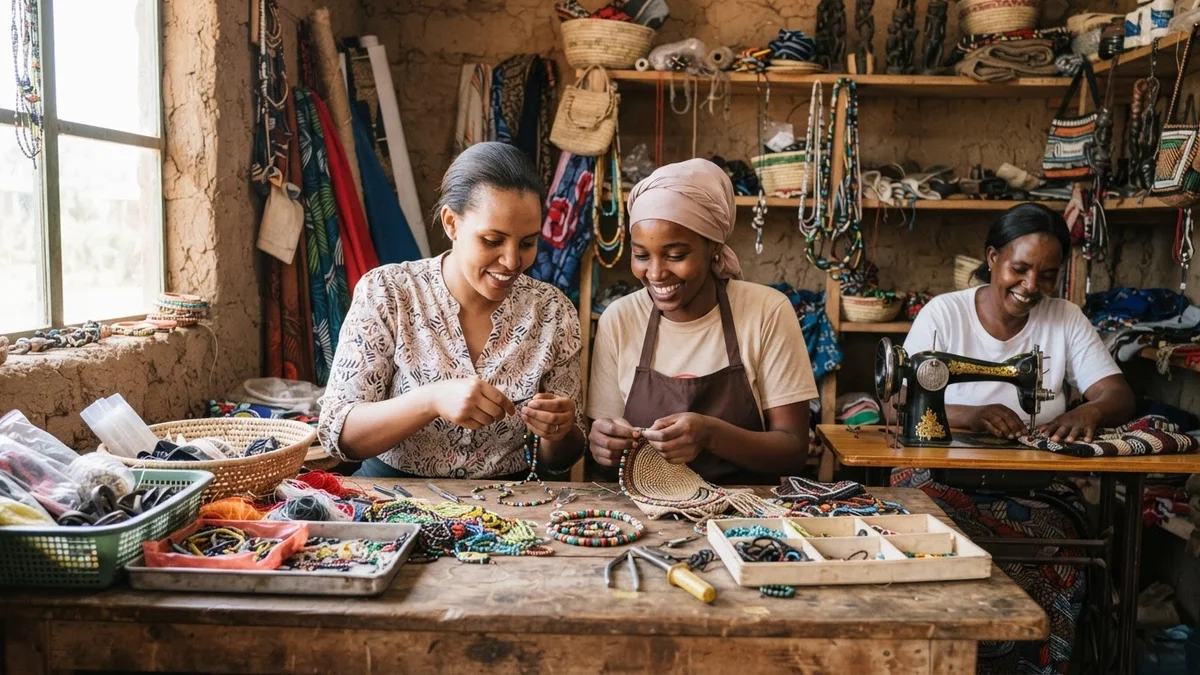
Around the world, many people who run small shops, farms or home businesses cannot get loans from traditional banks. They may lack collateral, formal income records or a credit history. Microfinance was developed to fill this gap by offering small loans and other financial services to low-income individuals and micro-entrepreneurs.
What Is a Microloan?
A microloan is a small loan, often used to start or grow a small business. Amounts vary by country but are usually much smaller than standard bank loans. Microfinance institutions may also offer savings accounts, insurance and financial education.
How Microfinance Often Works
- Group lending: borrowers form small groups and support each other’s repayments.
- Frequent small repayments: weekly or monthly instalments that match small business income.
- Step-up loans: borrowers who repay on time can access larger loans later.
Benefits
| Benefit | Explanation |
|---|---|
| Access to credit | Reaches people excluded from banks |
| Business growth | Funds stock, tools or livestock |
| Credit building | Creates a repayment track record |
| Empowerment | Many programmes focus on women entrepreneurs |
Risks and Challenges
Microloans can carry relatively high interest rates because small loans are costly to manage. Borrowing from several lenders at once can lead to over-indebtedness. Choose regulated, transparent institutions and borrow only for activities that can generate income to repay the loan.
Questions to Ask a Microfinance Provider
- What is the total cost, including all fees?
- How often are repayments due?
- What happens if I miss a payment?
- Is the institution registered or regulated?
- Are savings or insurance options available?
Conclusion
Microfinance can open doors for small entrepreneurs, but it works best when borrowing is careful and purposeful. Understand the costs, choose a reputable provider and plan repayments before taking a loan.
Disclaimer: This article is for general information only and does not constitute financial advice. Loan terms, rates and rules vary by country and lender. Please consult a qualified financial adviser or your lender before making borrowing decisions.